Kilimanjaro National Park

WELCOME TO

Kilimanjaro National Park

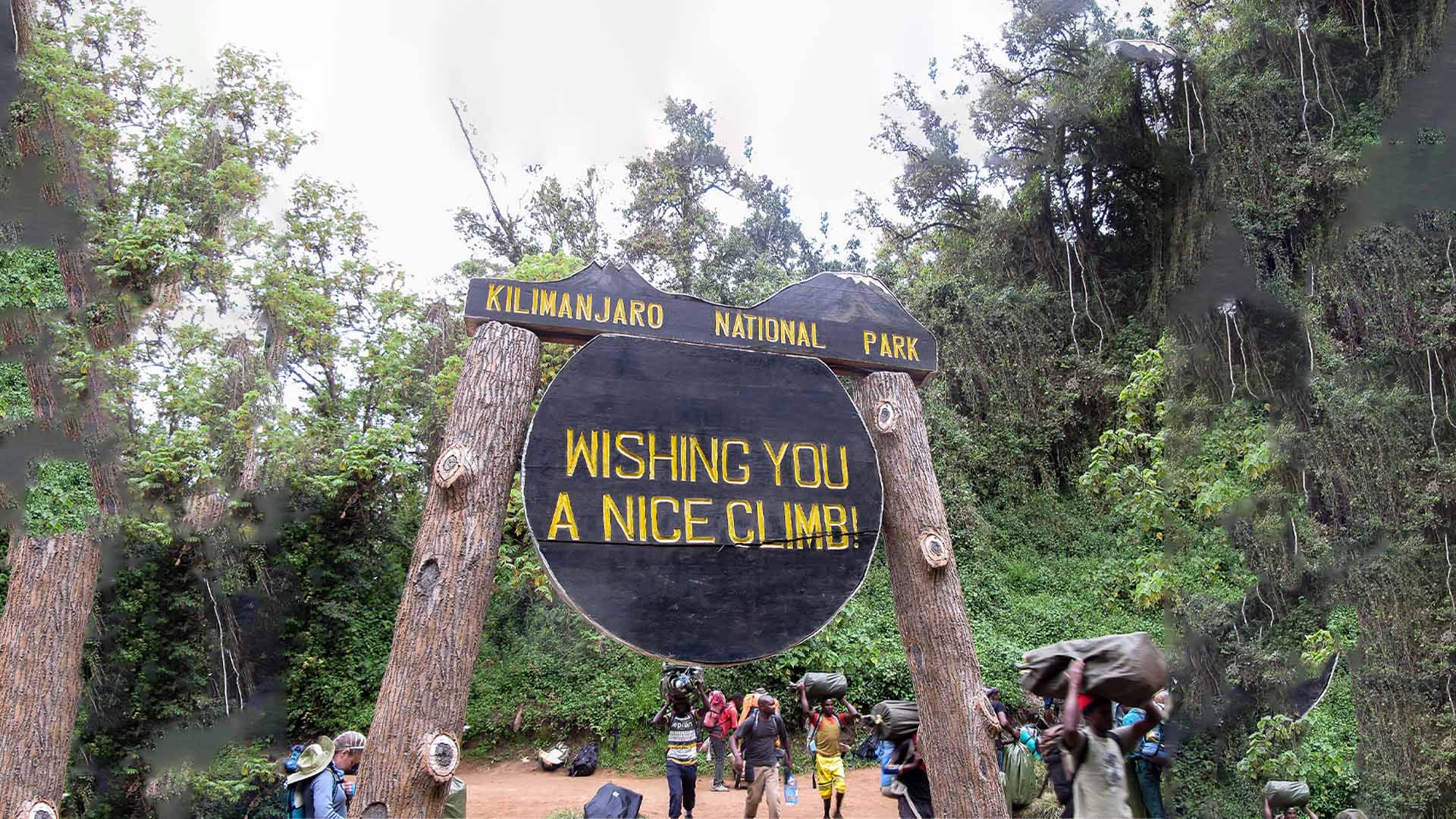
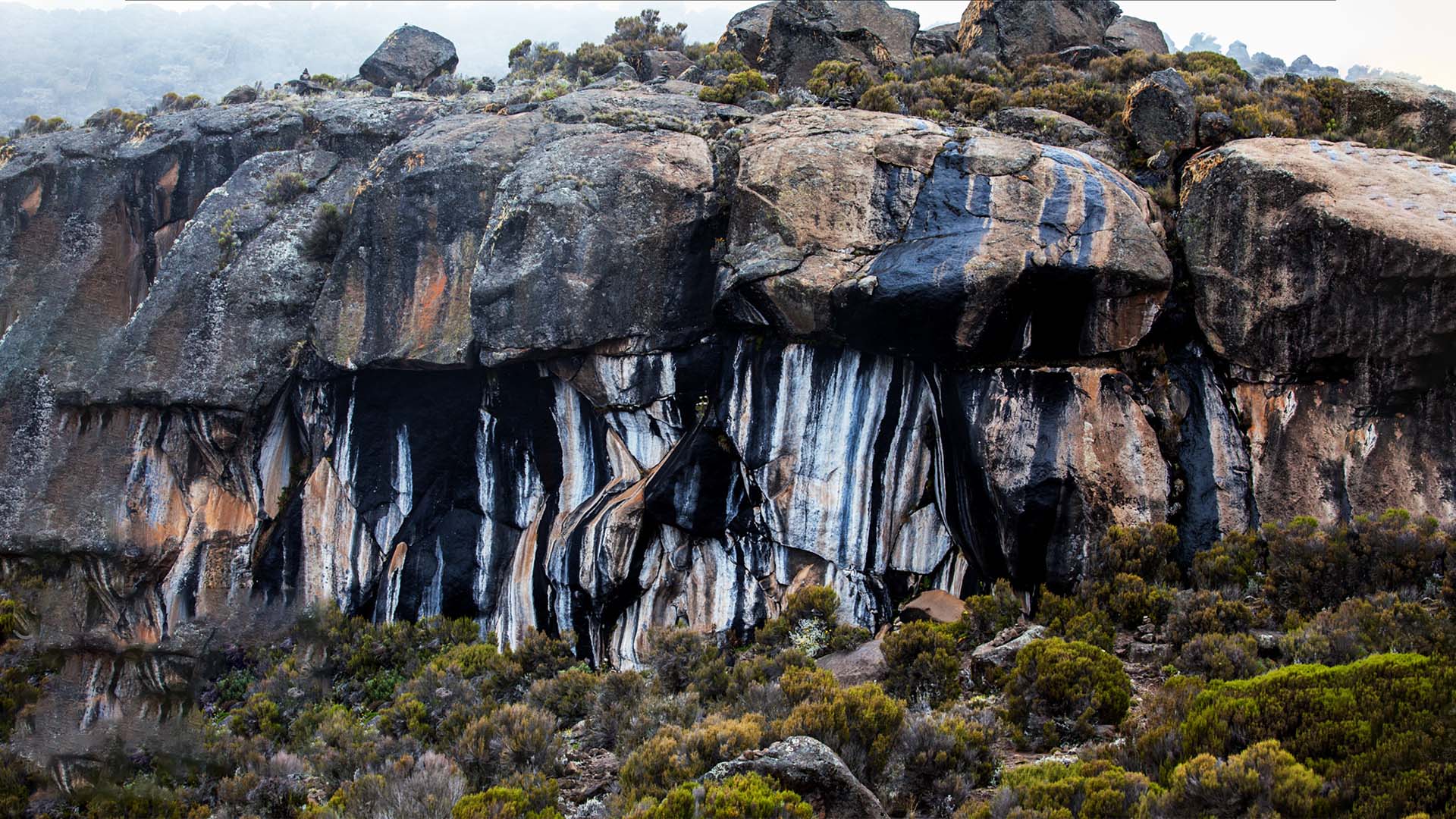
Home to Africa’s highest peak and one of the world’s most iconic freestanding mountains, Kilimanjaro National Park is a UNESCO World Heritage Site and a symbol of natural majesty. Established in 1973, the park protects the immense volcanic massif of Mount Kilimanjaro, which rises 5,895 meters (19,341 feet) from savannah foothills to a stunning, snow-capped summit. What makes Kilimanjaro unique is its unparalleled journey through five distinct ecological zones—from cultivated lower slopes and lush rainforest to alpine meadows, otherworldly high deserts, and the glacial Arctic summit—all within a single climb.

BEST TIME TO VISIT

The best time to climb Mount Kilimanjaro centers around the driest and most stable weather periods, though the mountain can be attempted year-round. Clear skies, lower precipitation, and better trail conditions define the optimal windows.
June to October: The primary dry season. Offers the clearest skies, stable weather, and excellent visibility. This is the most popular and busiest period for climbs.
December to March: The secondary dry season. Another excellent window with generally good weather, often warmer than the June-October period. January and February are particularly popular.
April, May & November: The rainy seasons. Trails are wet, muddy, and slippery, with clouds often obscuring views. These months see far fewer climbers and are generally only recommended for experienced trekkers seeking solitude.

ICONIC WILDLIFE

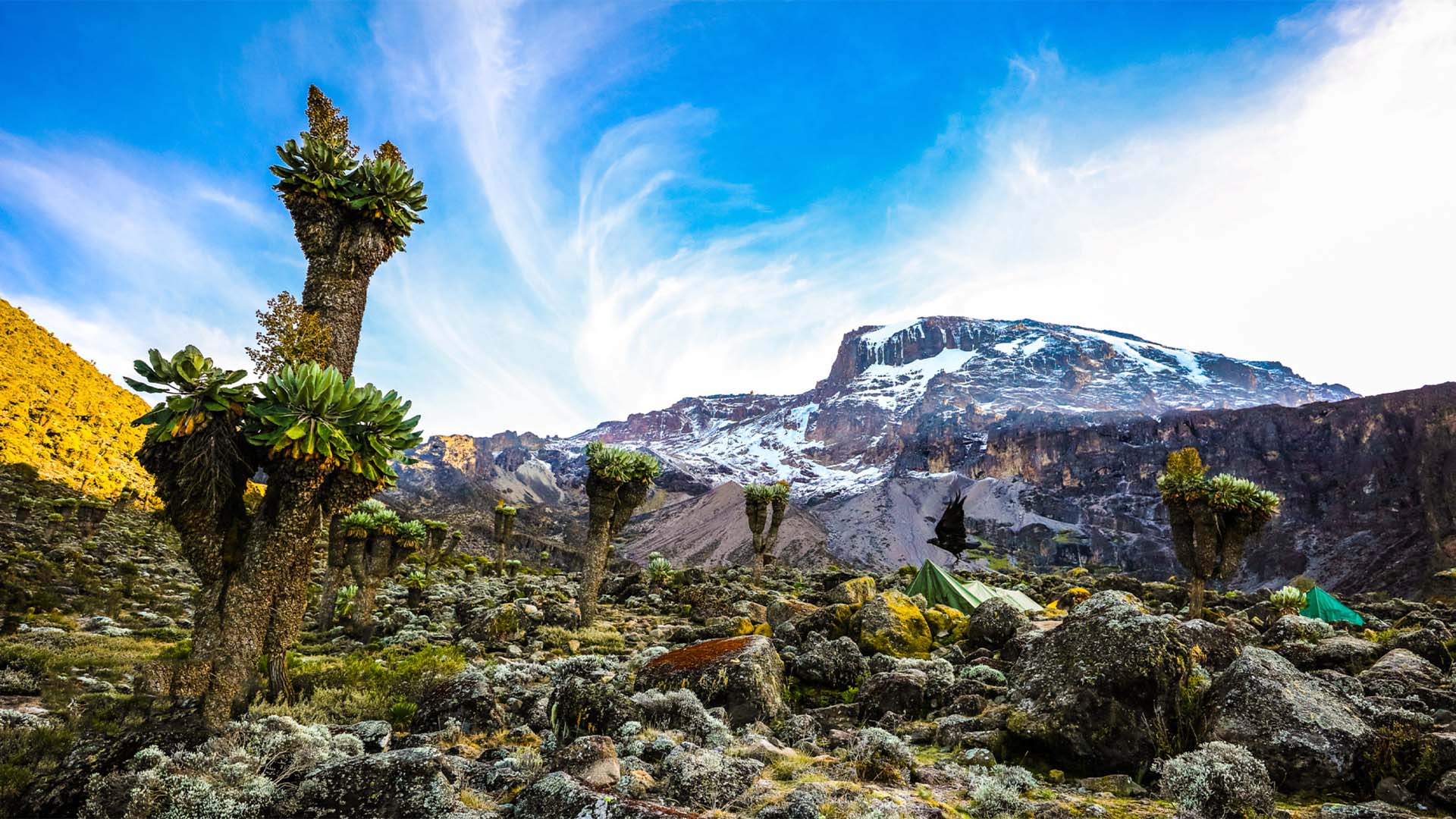
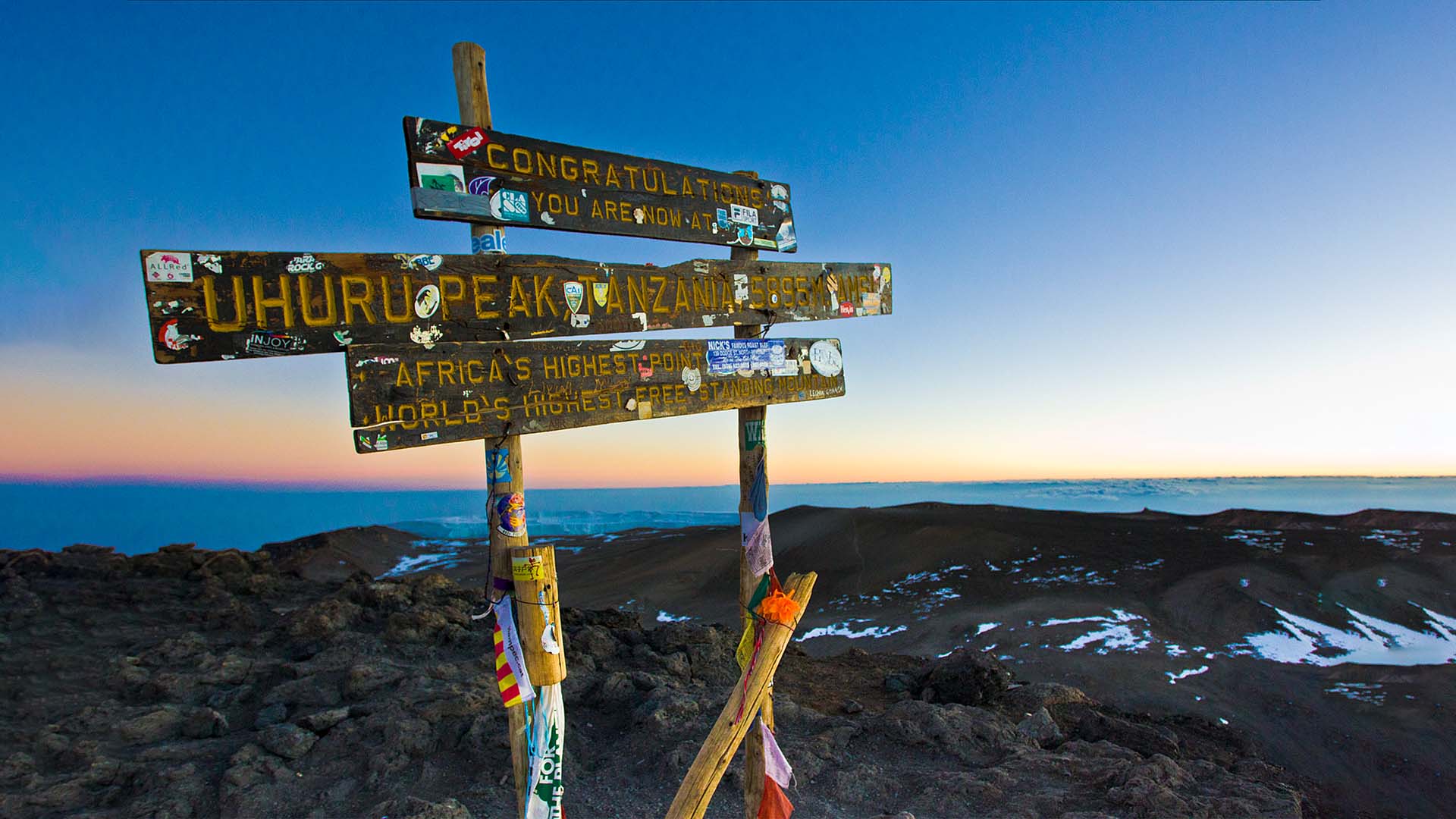
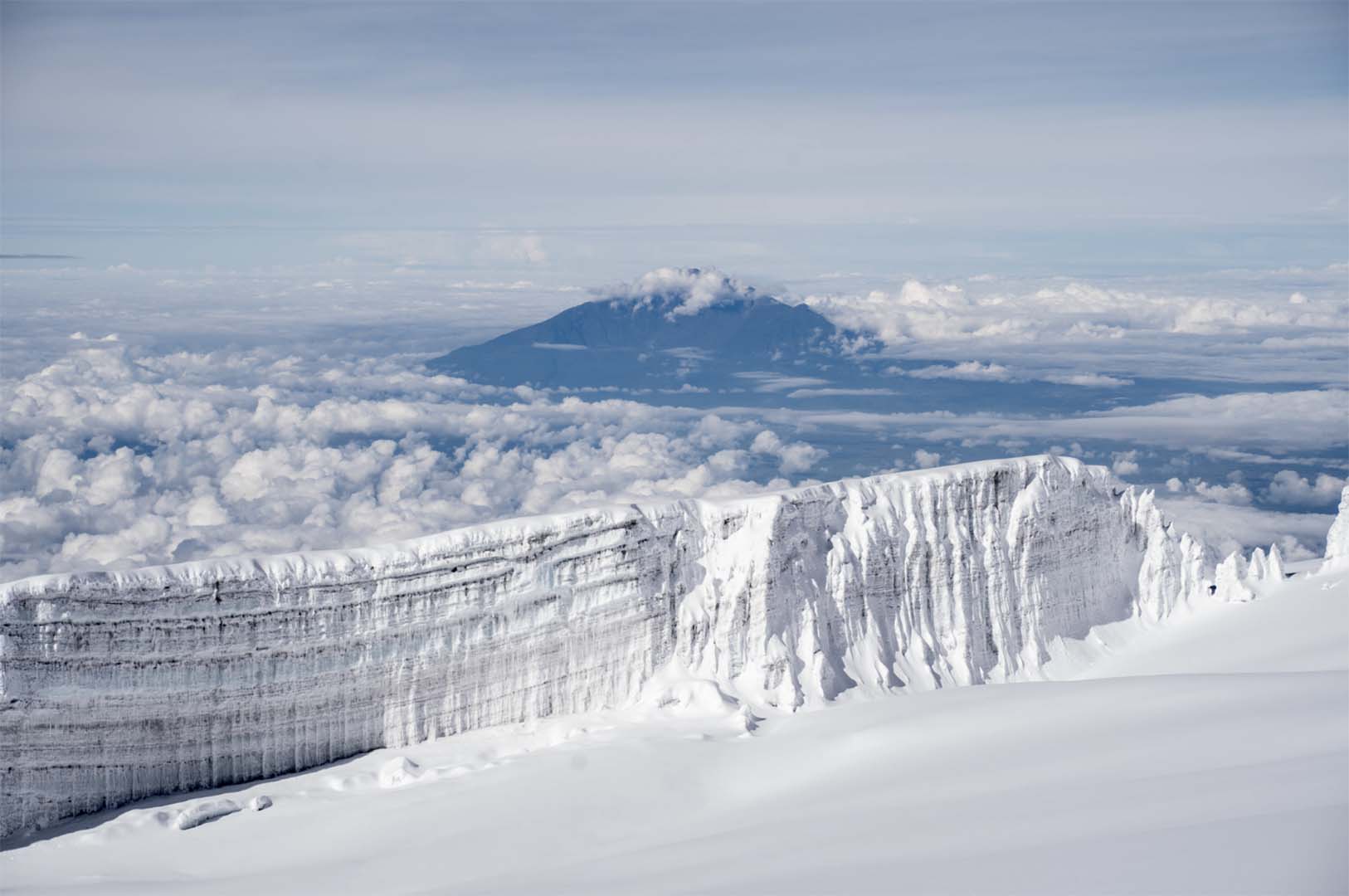
While the mountain itself is the star, the park’s lower slopes teem with life. The montane rainforest is home to colobus monkeys (often seen on the Machame and Lemosho routes), blue monkeys, elephants, leopards, and a dazzling array of birdlife, including the vibrant turaco. The iconic giant groundsels and lobelias dominate the surreal alpine moorland zone. The ultimate iconic feature, however, is the glacial summit crater with its famous Uhuru Peak sign, standing above an immense, breathtaking ice field.

EXPERIENCE & ACTIVITIES

The primary experience is the multi-day summit trek via routes like Machame, Lemosho, Marangu, or Rongai, ranging from 5 to 9 days. Shorter day hikes on the mountain’s lower slopes, such as to the Shira Plateau or through the rainforest, are also available. Beyond climbing, visitors can enjoy cultural tours to nearby Chagga villages and coffee farms, visit Lake Chala, or combine the trip with a wildlife safari in neighboring Arusha or Amboseli National Parks across the border in Kenya. Proper acclimatization, physical preparation, and climbing with a licensed guide are essential for all summit attempts.

Next steps to

Start planning
your safari

Enquire

Give us a call or send an online enquiry. Have your Tanzanian dream list ready so we can begin planning your Unpredictable safari.

Tailor-made

A travel specialist will collaborate with you to design your unique Unpredictable safari adventure and craft your personalized itinerary.

Approve

Review and confirm your safari plan. Prepare your travel essentials and get ready for your journey. We can’t wait to welcome you to Tanzania soon.